Attic Mold Help
Attic Mold Remediation In Gettysburg
Have suspicious growth overhead? Request an assessment.
Attic Mold Help
Have suspicious growth overhead? Request an assessment.
Attic mold often points to a moisture problem rather than a simple surface problem. Roof leaks can introduce water directly, while warm humid air moving into a cold attic can contribute to condensation. Ventilation conditions and exhaust routing may also matter depending on the property.
We remediate affected attic materials while keeping the moisture pattern in view. Because attics can be cramped and difficult to access, the actual scope depends on where growth is located, how much surface area is affected, and the condition of the materials.
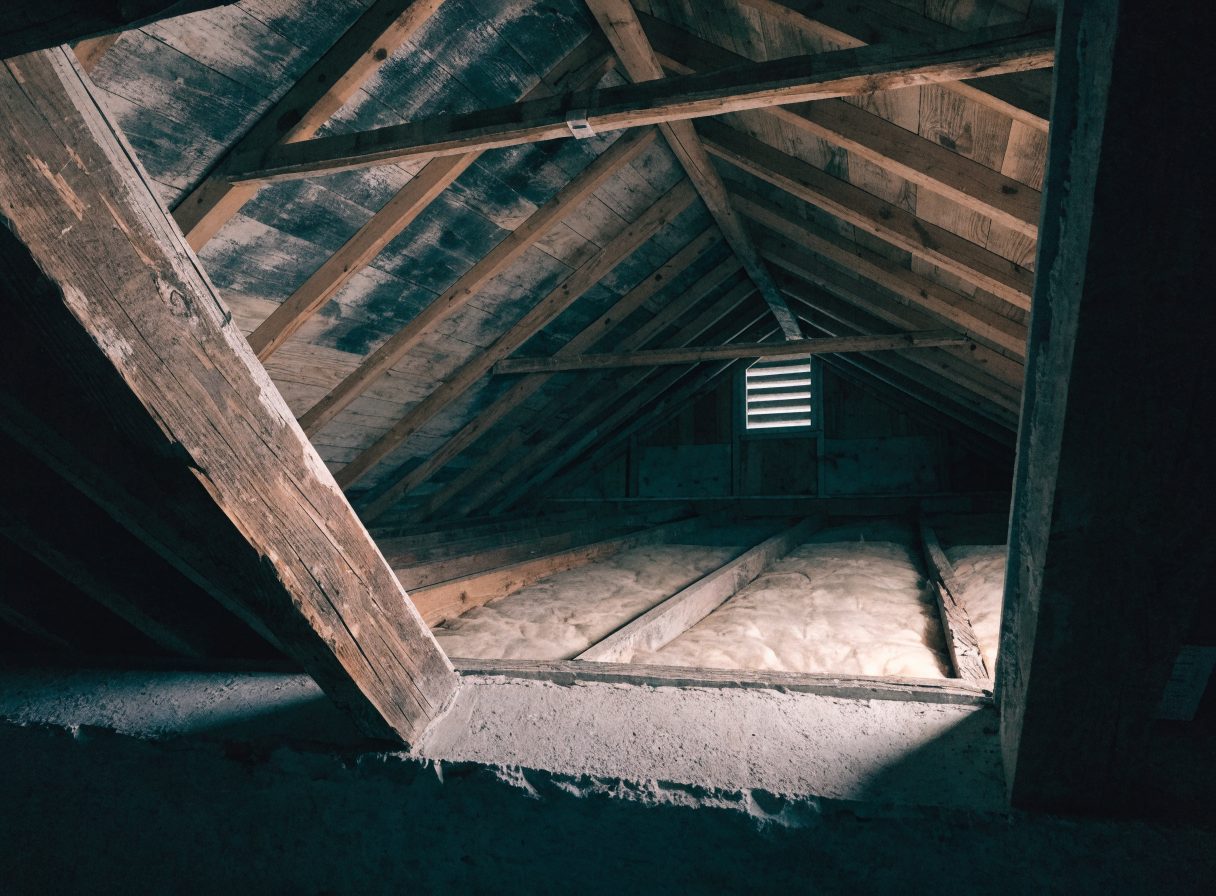
Attic mold can occur on roof sheathing, rafters, trusses, and other wood surfaces. Understanding the moisture source is important because cleaning surfaces alone will not stop future growth if the attic continues to become damp.
Growth on sheathing may be associated with condensation, roof leakage, or other persistent moisture conditions.
Rafters, trusses, and other framing can develop surface growth when attic moisture remains elevated.
Seasonal condensation can occur when moisture-laden indoor air reaches cold attic surfaces.
Roof or flashing leaks can create localized damp areas that support mold.
| Service | Estimated Cost | Average |
|---|---|---|
| Localized attic area | Varies by scope | Estimate required |
| Widespread sheathing | Varies by area | Estimate required |
| Difficult-access attic | Varies by access | Estimate required |
Attic pricing depends heavily on affected surface area, access, roof configuration, materials, and remediation requirements.
We account for access, framing, sheathing, and the moisture patterns particular to attic spaces.
Understanding why attic surfaces became damp is an important part of reducing recurrence.
We explain which attic areas are included before remediation begins.
If you found staining or mold on attic wood, request an evaluation of the affected space.
Free — no obligations
We review visible growth, affected materials, access, and moisture clues.
The affected surfaces and appropriate remediation approach are identified.
Work controls are selected according to the attic and project conditions.
Affected materials are addressed using methods appropriate to their condition.
Relevant leak, condensation, or humidity considerations are discussed.