After Water Damage
Water Damage And Mold Remediation
Found mold after a leak or water event?
After Water Damage
Found mold after a leak or water event?
Water can move farther through a building than the original wet spot suggests. A plumbing leak may affect drywall, insulation, framing, flooring, or cavities. Roof leaks and groundwater intrusion can create similar hidden moisture problems. If materials remain damp, mold growth can become part of the cleanup challenge.
When mold is already present after water damage, we focus on the affected materials and remaining moisture conditions. The remediation scope depends on what became wet, how long conditions persisted, what has dried, and where visible or suspected mold is located.
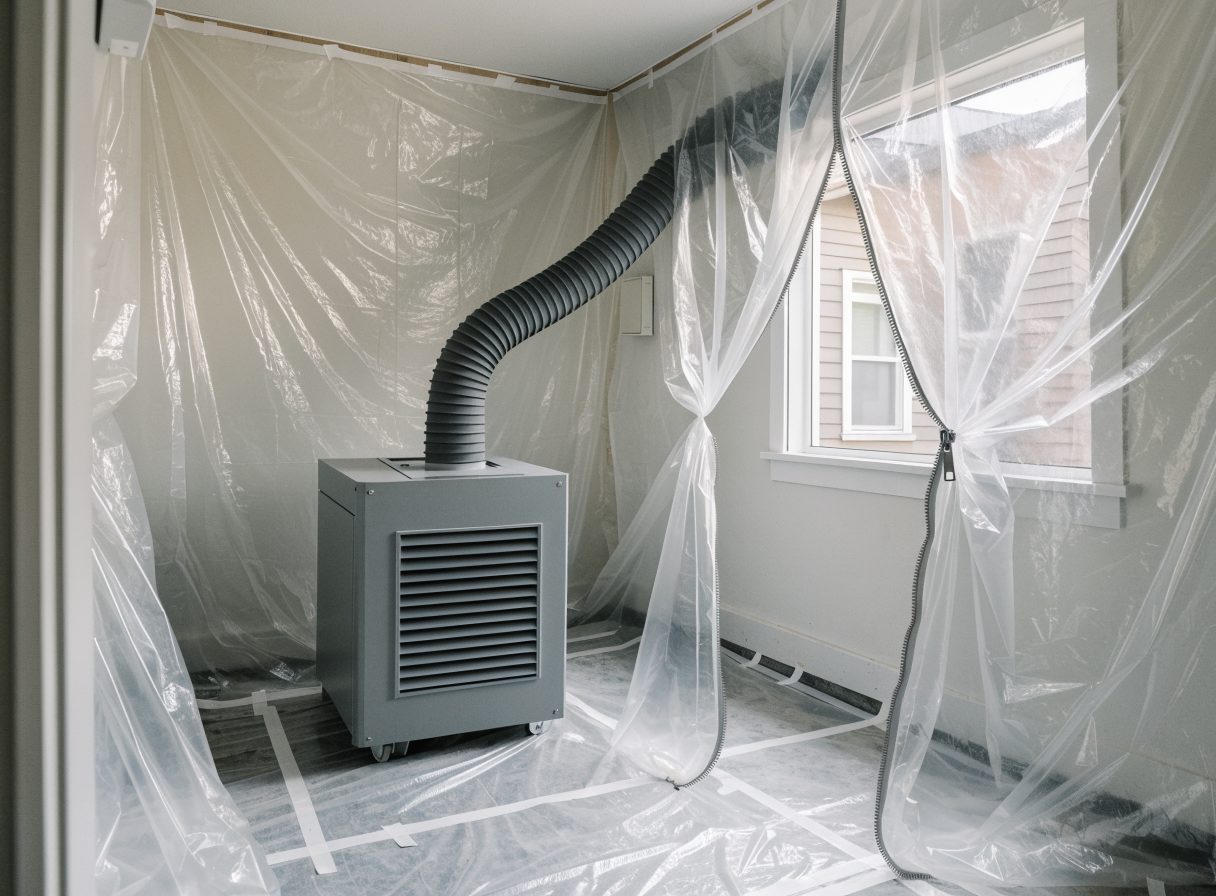
Stopping the water source is essential, but it does not automatically resolve mold that has already developed. Materials should be evaluated according to their condition and the extent of contamination.
Supply, drain, fixture, and appliance leaks can affect nearby finishes and concealed building materials.
Water entering from above can affect ceilings, wall cavities, insulation, attic materials, and framing.
Seepage or water intrusion can leave porous materials and stored contents damp enough to support mold.
Even after surfaces feel dry, materials that remained wet for an extended period may deserve closer evaluation.
| Service | Estimated Cost | Average |
|---|---|---|
| Localized leak-related mold | Varies by scope | Estimate required |
| Affected material removal | Varies by material | Estimate required |
| Multiple affected areas | Varies by extent | Estimate required |
Project cost depends on the affected materials, extent of mold, accessibility, containment requirements, and whether moisture remains.
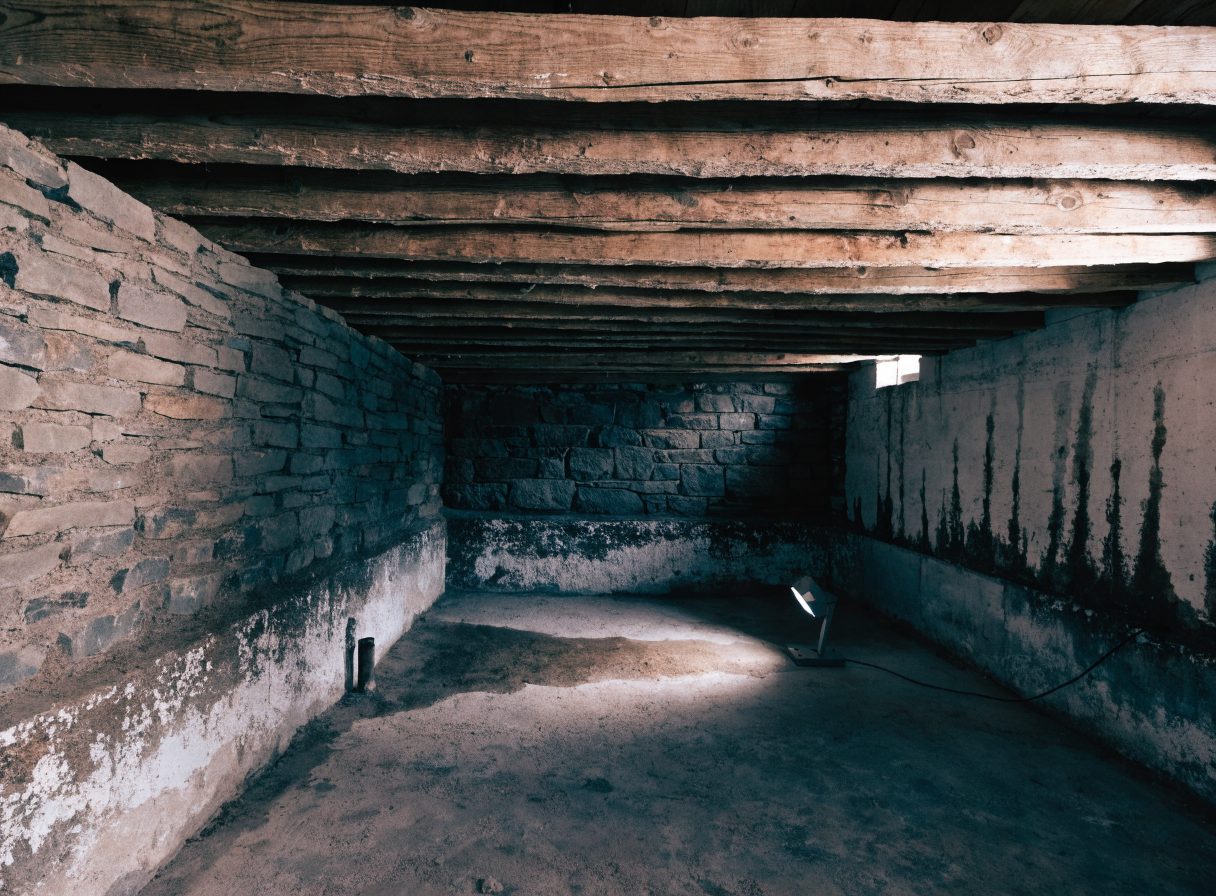
We consider where water traveled rather than focusing only on the original visible stain.
Different building materials respond differently to prolonged moisture and mold contamination.
We explain which affected areas are included and what the remediation work is intended to address.
If a past or recent water problem has led to mold, request a project-specific assessment.
Free — no obligations
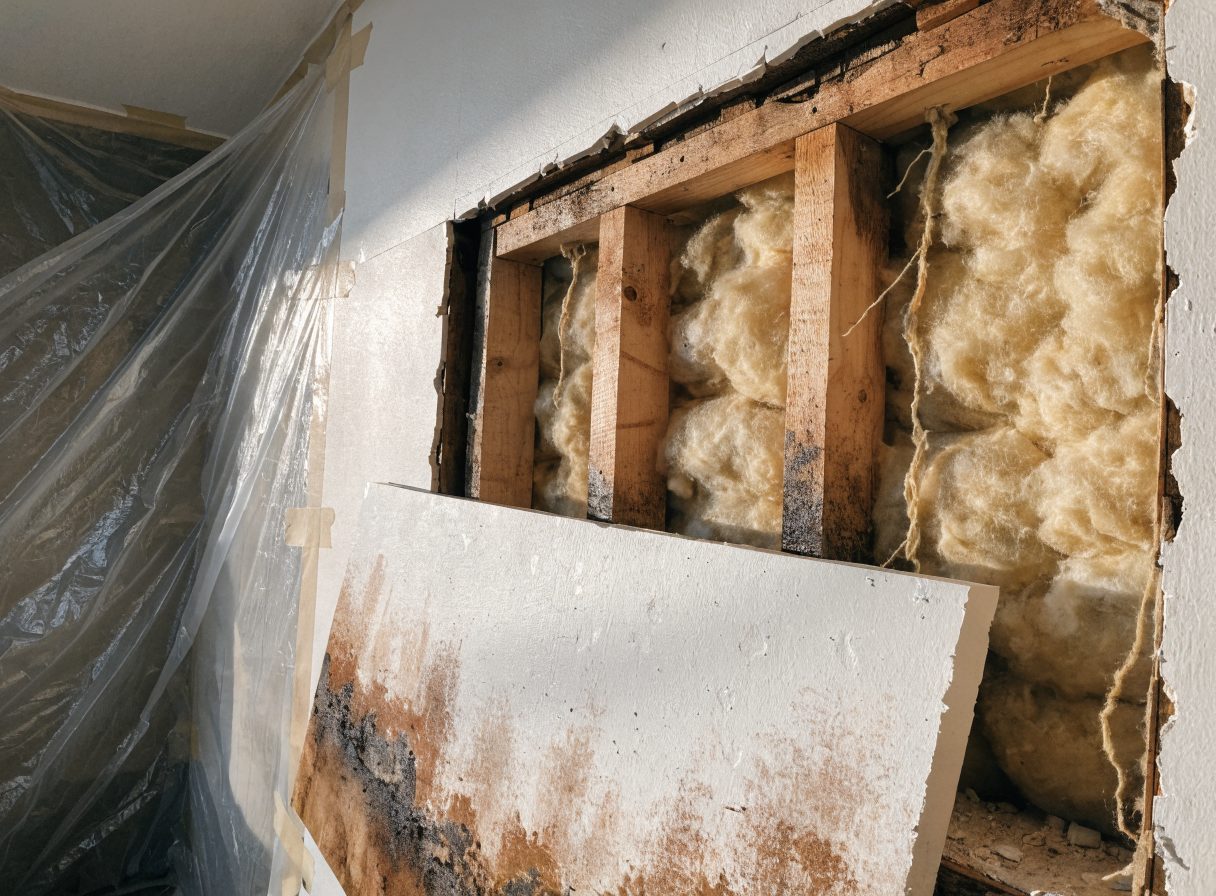
We learn where the water originated and which areas were affected.
Affected materials and visible or suspected mold areas are reviewed.
The remediation plan is based on actual conditions.
Affected materials are addressed using appropriate removal or cleaning methods.
Remaining moisture concerns and practical prevention considerations are discussed.